Compulsory housing order for poultry to begin next week

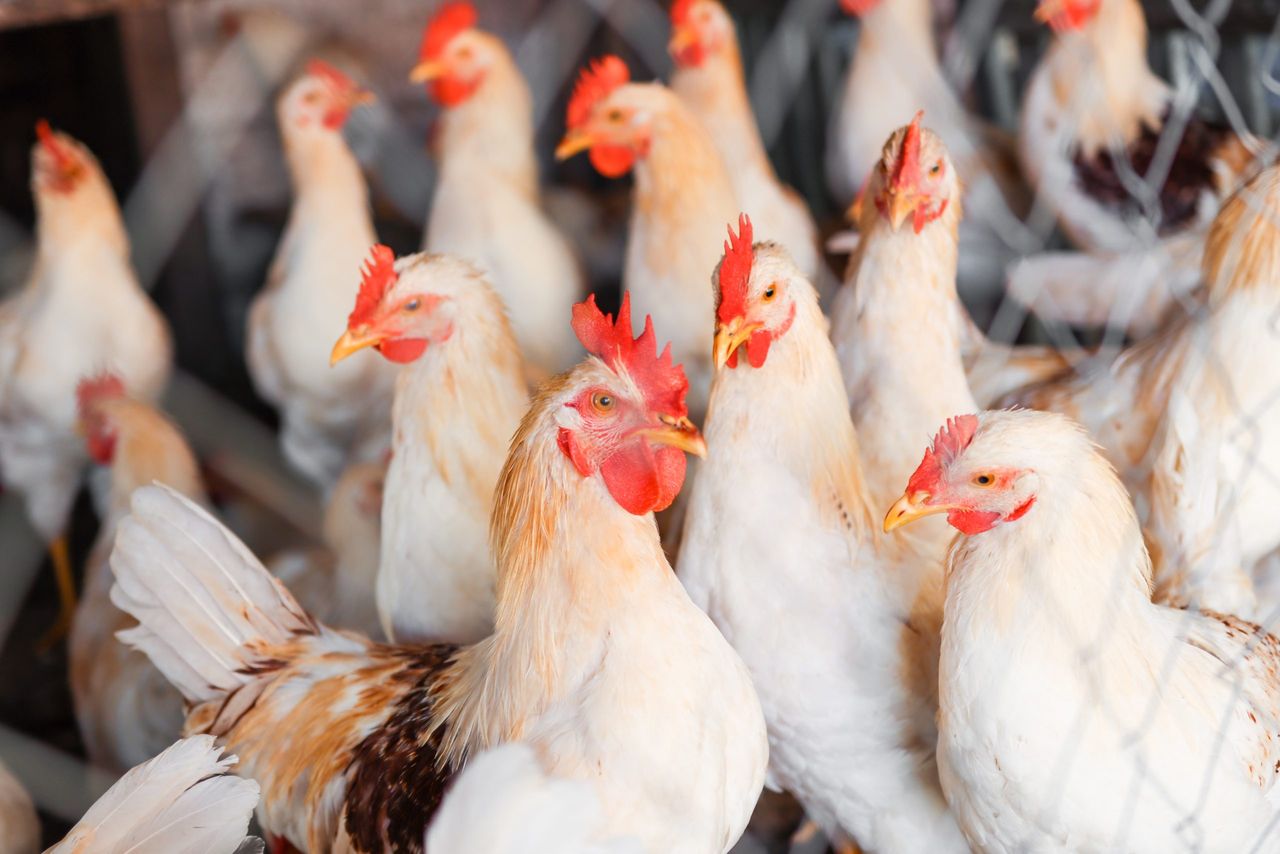
A compulsory housing order for poultry and captive birds will come into effect next Monday, (November 23) throughout the Republic of Ireland.
Mandatory housing measures for all kept birds and poultry are to come into place across Northern Ireland from tomorrow (Thursday, November 19).
This follows confirmation of highly pathogenic avian influenza (bird flu) at a commercial poultry premises in Co. Tyrone.
The Minister for Agriculture, Food and the Marine, Martin Heydon, today (Wednesday, November 18) said he had decided to introduce the housing order to protect against the bird flu risk.
"Given the recent poor weather and drop in temperatures, alongside the evolving epidemiological situation on the island, the risk of avian influenza to our poultry is increasing.
"I am taking this timely action to reduce the threat to our poultry industry and to our farmers’ livelihoods.
"From Monday (November 23) poultry and captive birds must be housed or confined in such a manner that they do not have access to other poultry, captive birds, or wild birds," Minister Heydon added.
He believes that reducing the opportunity for contact with potentially infected wild birds is "a critical protective measure", as this is one of the main ways which bird flu can spread.
Risk to poultry
The Minister for Agriculture has again stressed the importance of biosecurity as a key precaution against bird flu.
"Biosecurity remains the single most effective way to prevent the virus spreading from wild birds into poultry, or between poultry flocks.
"All those who are poultry or kept bird owners, regardless of flock size, must take strict precautions and exercise the highest standards of biosecurity to protect their flocks from the threat of avian influenza, and to protect the poultry sector in Ireland," he added.
The Department of Agriculture, Food and the Marine (DAFM) has urged poultry and captive bird owners to remain vigilant for signs of disease and to report any clinical signs to their Regional Veterinary Office or, if outside business hours, to contact the National Disease Emergency Hotline on 01 492 8026.