Farmers urged to stay vigilant after recent bluetongue case

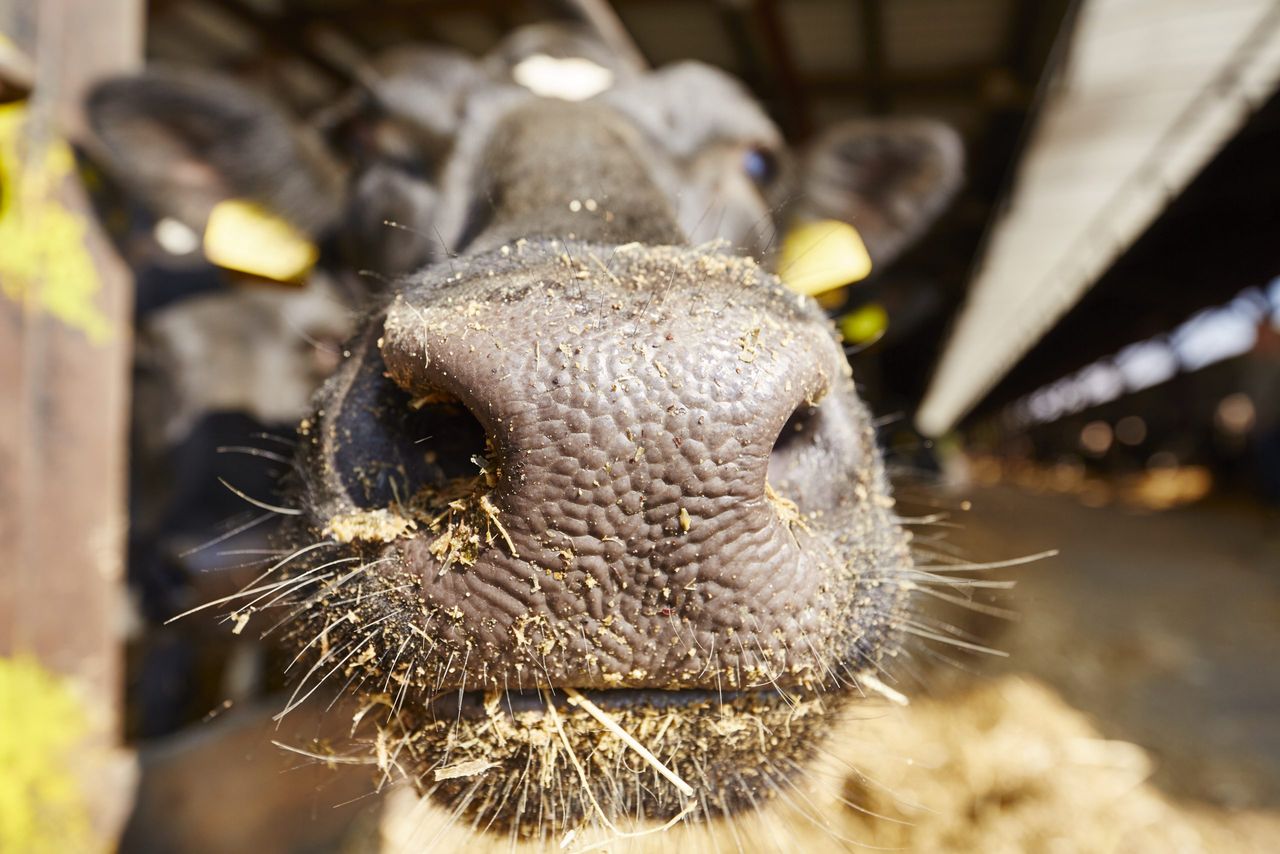
Farmers are being urged to be vigilant for bluetongue as an investigation continues into a recent case in Co. Wexford.
The Department of Agriculture, Food and the Marine (DAFM) confirmed on Friday (September 4) that a heifer in Co. Wexford had tested positive for bluetongue virus serotype 3 (BTV-3).
This is the first case of BTV-3 detected in Ireland where infection occurred in 2026.
The case was confirmed during a post mortem examination on the 16 month-old animal, which was not vaccinated against the disease.
DAFM said that no clinical signs had been detected prior to the death of the animal.
Bluetongue
The department has confirmed to Agriland that it is undertaking an epidemiological investigation of the herd where bluetongue was identified in recent days.
No movement restrictions or control zones will be put in place as a result of this latest case.
This follows a decision by the European Commission to recategorise bluetongue under the Animal Health Law, moving it from "Category C" to a "Category D+E" disease.
"In essence this means that it is not possible for a member state to have an 'official disease-free status' in relation to bluetongue virus (serotypes 1-24).
"Bluetongue will move towards being a disease of surveillance rather than eradication.
"This move is based on epidemiological data from continental member states indicating that, due to the persistence and spread of vectors, the disease is not possible to eradicate," a department spokesperson said.
Vigilance
DAFM has again urged farmers to "remain vigilant and report suspected cases to their private veterinary practitioner".
"Vaccination remains the most effective measure against BTV-3.
"Farmers should consult their private veterinary practitioner (PVP) regarding whether vaccination is right for them," the spokesperson added.
While bluetongue is a serious disease of cattle, sheep, goats and camelids, the department reiterated that there are no public health risks associated with bluetongue.
Bluetongue does not affect human health or food safety: meat and dairy are safe to eat.
The virus is spread between animals by bites from infected midges, transplacental infection of pregnant animals, and germinal products such as semen.
UK
Meanwhile, the number of bluetongue cases in the UK continues to rise.
According to the Department for Environment, Food and Rural Affairs (Defra), there have been 973 cases of BTV-3 in the UK in the 2026 to 2027 bluetongue season.
A case is defined as a premises on which at least one bluetongue positive animal has been confirmed.
841 cases have been detected in England, 111 cases in Wales and 21 in Scotland. There has been no cases confirmed in Northern Ireland.