Lameness focus: What is it costing and how to stay ahead

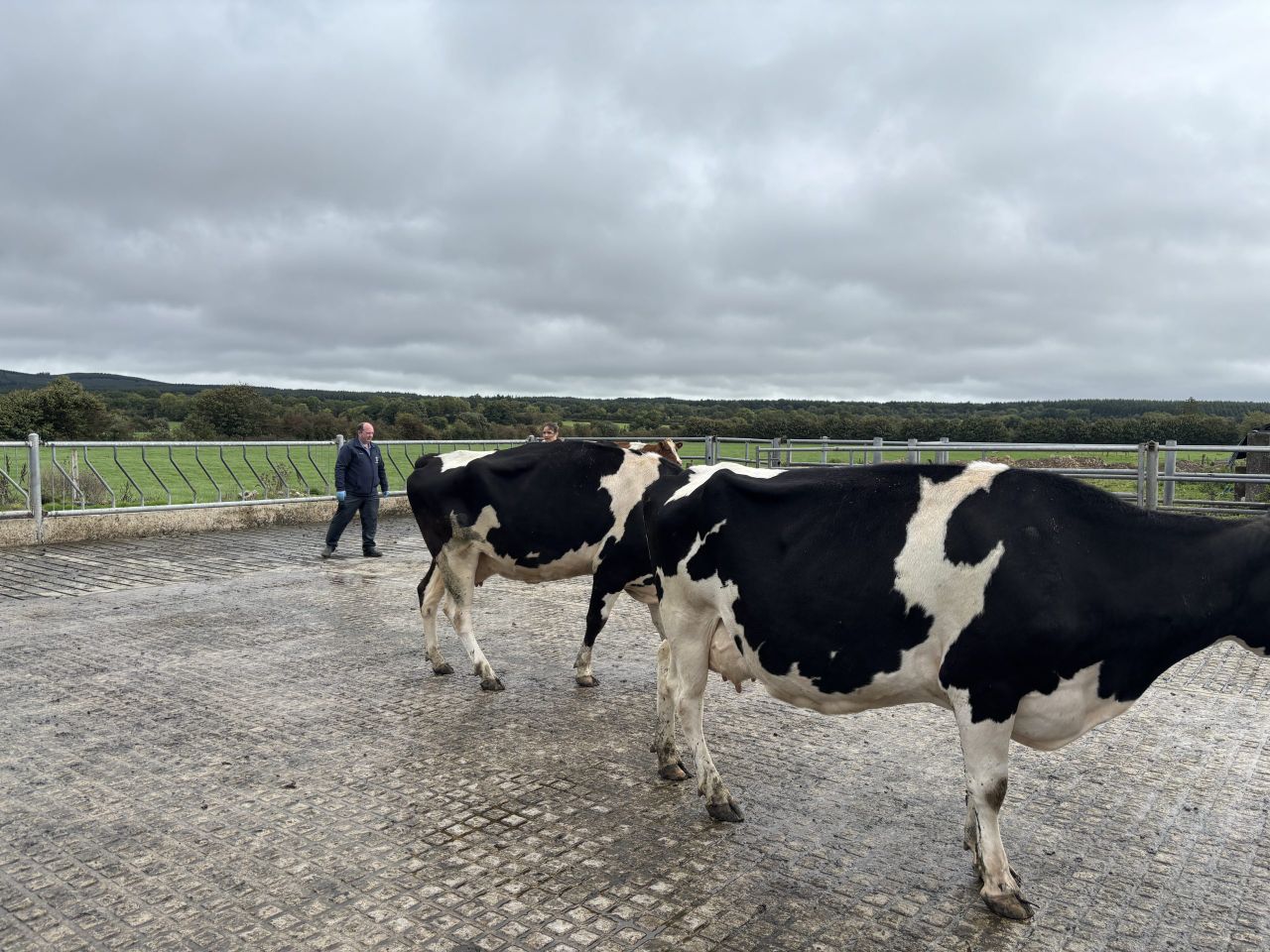
Animal Health Ireland (AHI) recently held a Heathy Hooves to Healthy Herds event on the Walsh's family farm in Ballyroan, Co. Laois.
Between direct and indirect costs, AHI has estimated that lameness is costing farmers up to €5,000/year when dealing with low prevalence, and as much as €15,000 when there is high prevalence.
Every farm deals with at least a handful of lame cows each year, especially coming into the autumn as conditions get sticky.
But is the knowledge needed to stay ahead of the scourge and ensure costs are not slipping up available to farmers?
Many will argue they are well capable of managing lameness, but with up to 10% of the national herd lame at any given time, there may still be tweaks to be made.
There is no doubt that lameness has ramped up since the abolishment of quotas, as herds expanded but much of the infrastructure stayed the same, putting pressure on areas such as roadways and collecting yards.
As well as that, many herds expanded while labour stayed the same, meaning the same pair of eyes had to watch out for lameness and other issues in an increased number of cows.
Mobility scoring
The best way to keep costs down when it comes to lameness is catching any issues early, which can be easier said than done.
Realistically, the majority of lame cases are only picked up when the cow is physically limping, which means the problem has already advanced.
That is why regular locomotion or mobility scoring is advisable, as it lets you detect lameness in the early stages, where there should be a quicker response to any treatment administered, improving the cow's comfortability.
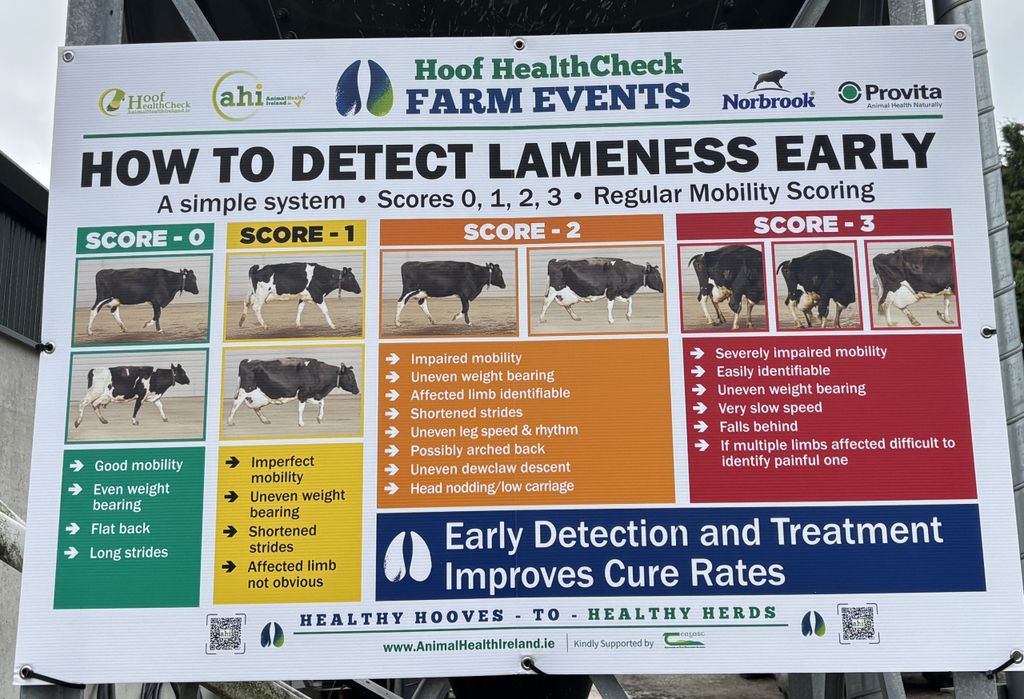
The different levels of mobility scoring are as follows:
- Score 0: The cow has good mobility;
- Score 1: The cow has imperfect mobility;
- Score 2: The cow has impaired mobility;
- Score 3: The cow has severely impaired mobility.
A cow with a score 0 should have her hind foot landing in the same place as her front foot; failure to do this may be an indication of a lameness issue and will move her up on the scoring.
She should be displaying long, flowing strides with a flat back, spreading all her weight evenly.
To get to score 1, you will notice only slight imperfections, such as imbalanced weight distribution or a shorter than desired stride.
Ideally, this is where you want to be identifying cows in order to prevent the issue developing, and give them the best possible chance of recovery.
Cows that slip into score 2 will display more obvious signs in terms of stride, weight distribution, and speed.
These cows need to separated and kept close to the parlour to reduce walking distances as they undergo treatment.
If they are left too long, they will slip into score 3, which is severely impaired.
In these cases, even if treated, the cow can repeatedly cause problems down the line, no matter how much work you do with them as internal damage to the bone will be done.
Another way of scoring lame cows is through mobility scoring, which is also used quite regularly.
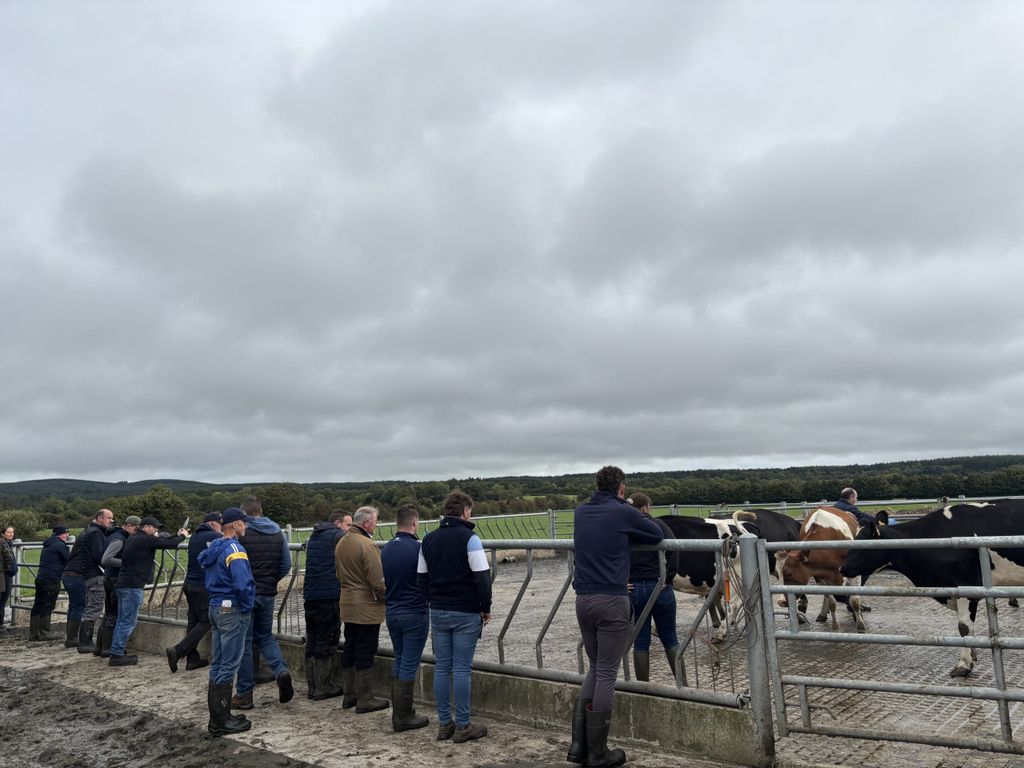
Mobility scoring may seem like a chore, but if you think about each average case of lameness costing €300, it may be worth considering hiring a relief milker for even €100/milking to gain the time to carry out the scoring.
Infectious versus mechanical
If you pick up lame cases from mobility scoring, the next step is identifying what is causing the issue.
There is two categories when it comes to lameness, mechanical lameness and infectious lameness.
Non-infectious mechanical issues consist of problems such as white line disease, sole haemorrhages, bruising, and sole ulcers.
White line disease is caused by grit or small stones entering the white line on the hoof, leading to painful inflammation and costing roughly €226/case.
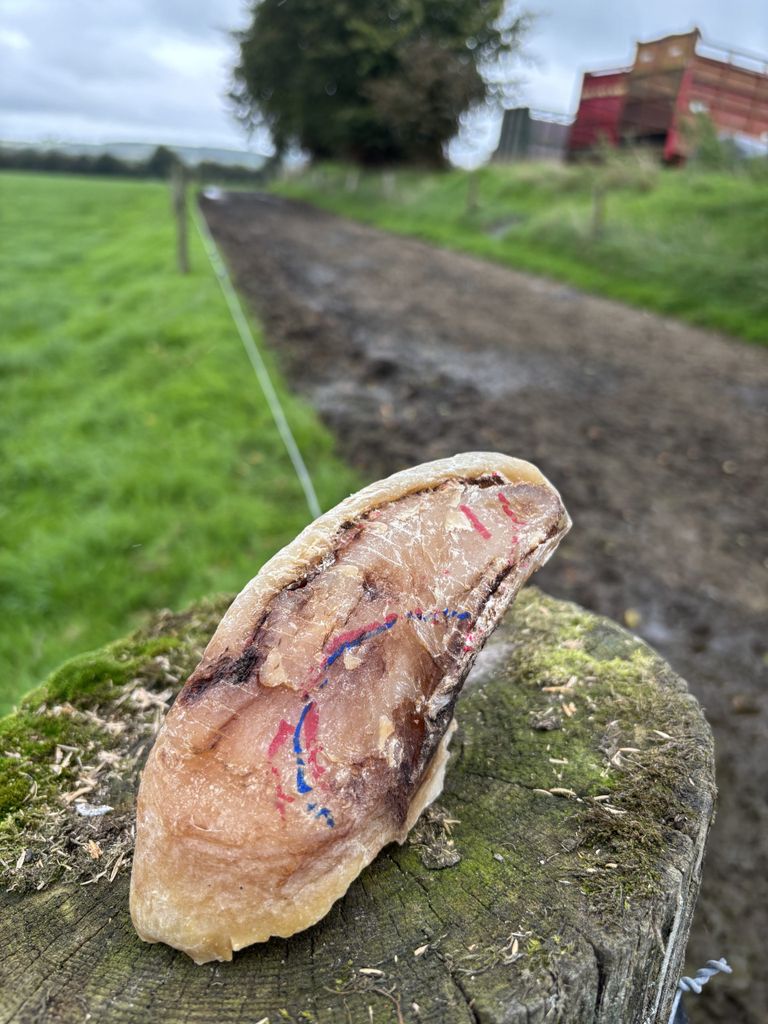
This is the most common sort of lameness, especially during the grazing season.
Sole bruising results from trauma to sensitive tissues beneath the sole, and can cost an average of €536/case.
Sole ulcers are typically caused by internal pressures within the hood capsule, usually on the outer claw of the hind foot.
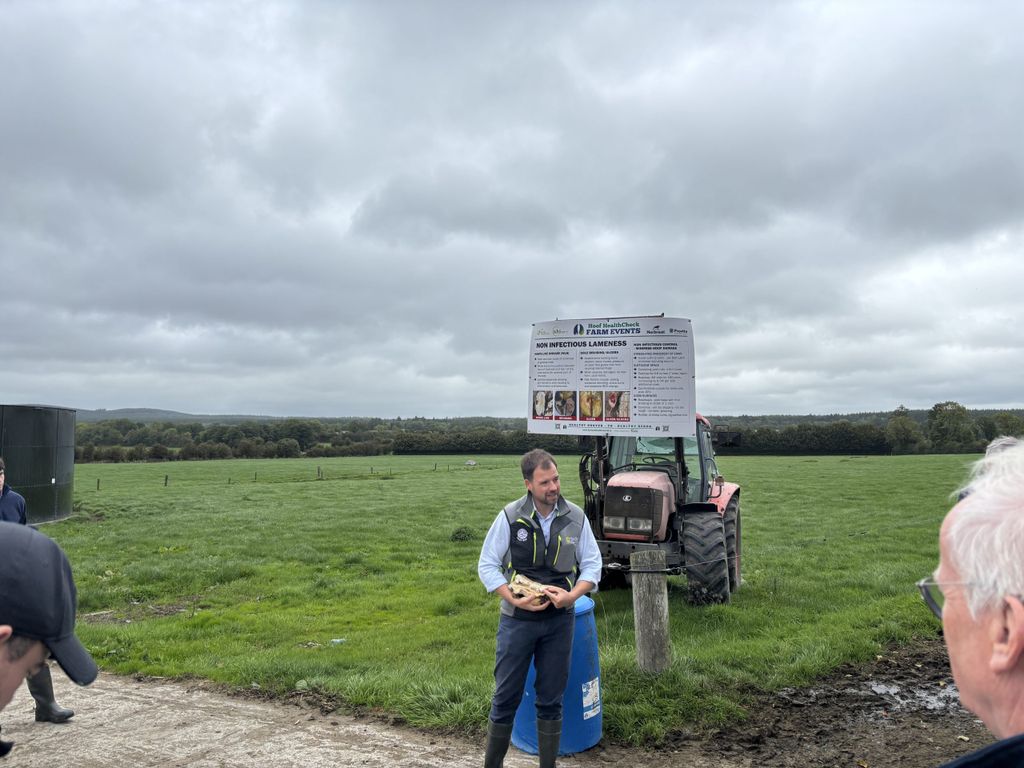
Meanwhile, the two main infectious hoof conditions in Irish dairy herds that are causing lameness are foul-in-the-foot and digital dermatitis (mortellaro).
Foul-in-the-foot is caused by bacteria entering through broken skin between the claws, which leads to swelling and severe pain which will require antibiotics.
Foot rot typically costs farmers an average of €308/case.
Mortellaro is a more common scourge across Irish dairy farms, generally costing the farm €201/case.
It is a contagious disease of the skin near the hoof and many cows may carry this disease without showing any signs.
Both conditions will thrive in wet, slurry-covered environments, as the bacteria shed and live comfortably here.
Prevention
So how do we proof the farm against these issues?
For mechanical issues, investing in infrastructure will be the biggest saviour.
Roadways are often the issues, so ensure they are wide enough for the herd, with a 'cow-friendly' surface of 1in fine binding on hard surface and with a good camber.
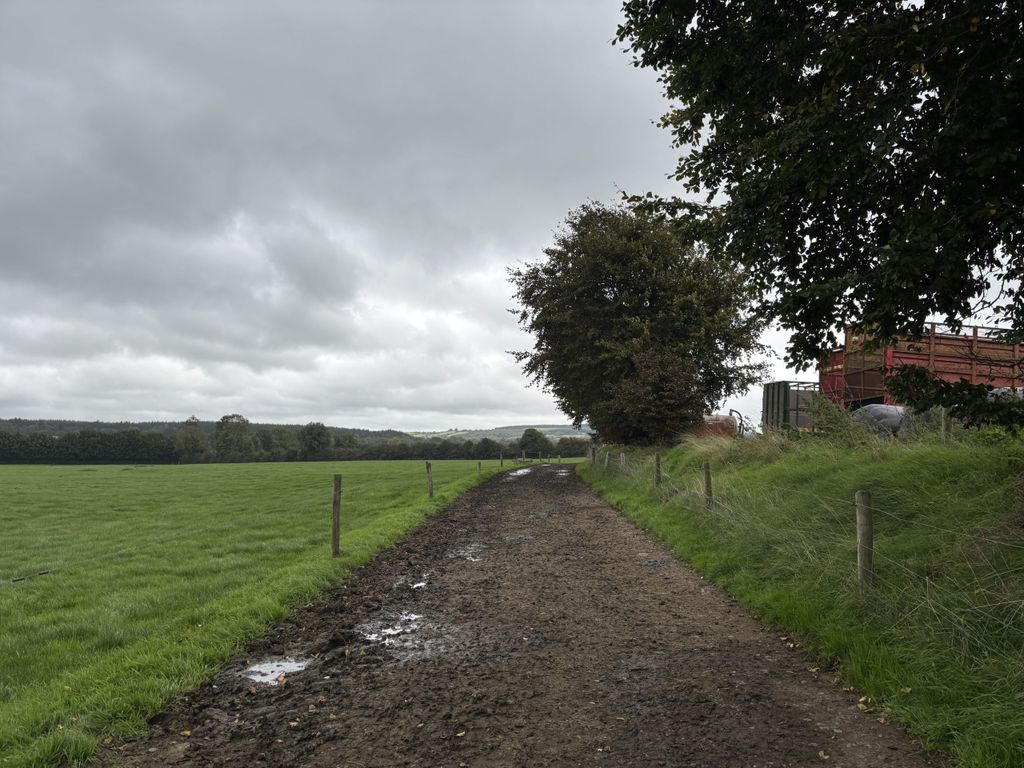
Remove any sharp turn to avoid bunching, installing sweeping bends instead.
Remember by moving the fence back, a cow will still be able to graze out under it.
Farmers were reminded to ensure there is adequate space of 1.5m²/cow in holding yards, and sweep stones off any concrete surfaces.
It is also worth considering installing rubber matting where cows have to turn sharply, such as the top of the parlour.
Grooving slippery concrete also provides a great return on investment.
Grooving should be an approximately 0.5in wide, 0.5in deep groove spaced out every 3in.
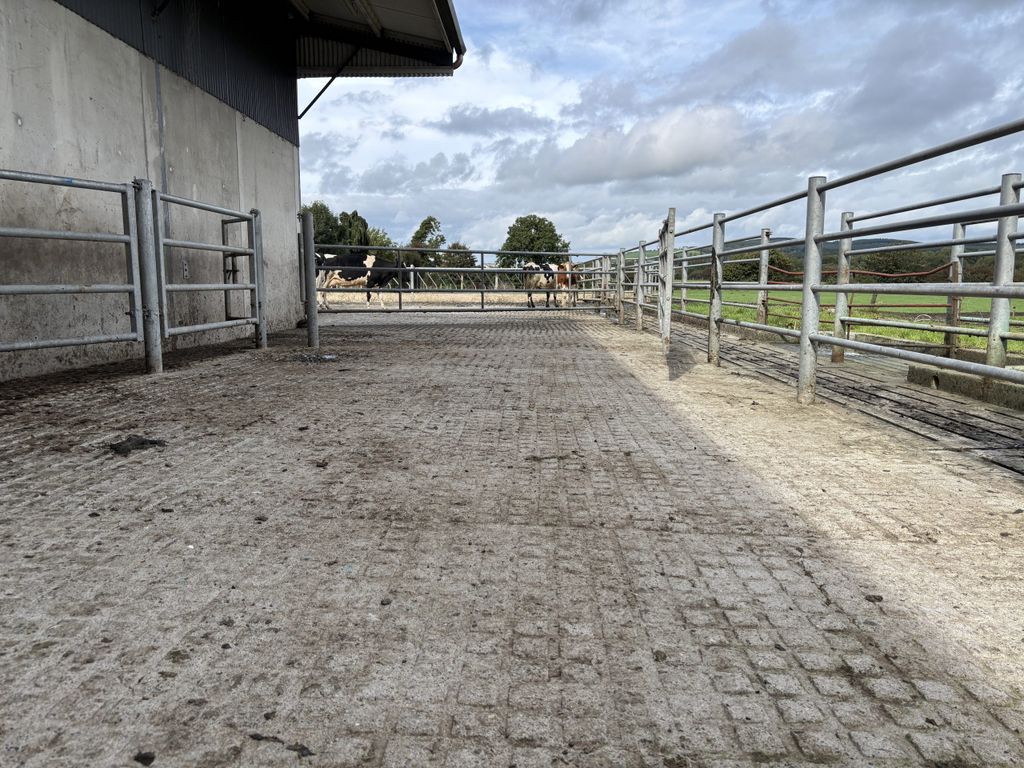
Using tools such as a Batt Latch rather than pushing cows with quads or dogs will also make a big differnce.
Cows should be walking with their heads down looking at where they are placing their front feet, and having time to move around any stones which they see.
For infectious issues, keep the farm hygienic, whether that be holding yards, roadways, or housing.
Ensure holding areas are being washed out and scrapers are working in sheds to prevent cows standing in dirty conditions.
Having adequate feed space will also make a difference, as cows will wait in dirty conditions until they can get to the barrier.
Issues such as mortellaro will require regular foot bathing, thinking of it as brushing your teeth.
The foot bath should be level with the ground, with no steps up or down, to further ensure good cow flow and that the cows are not damaging their feet going into the bath.
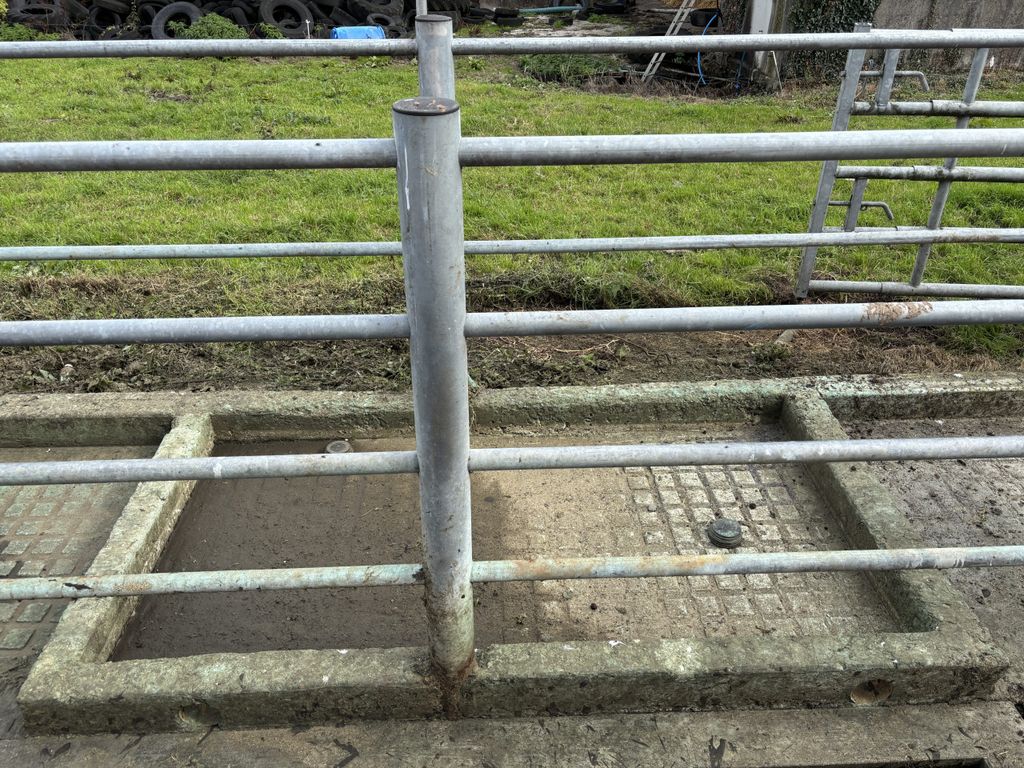
The bath should have a minimum width of 700-800mm for a herd of up to 250 cows.
For herds of over 250 cows, a foot bath should be at least 2m wide to allow for two cows to pass through simultaneously.
A length of 2.5-3m will allow for each foot to be sufficiently immersed in the solution.
Solution depth should be 100-125mm, with the volume of solution equating to 1L/cow, meaning in a 120-cow herd you will need 120L of solution to do the whole herd at once.