Shamonda virus detected on UK dairy farms for first time

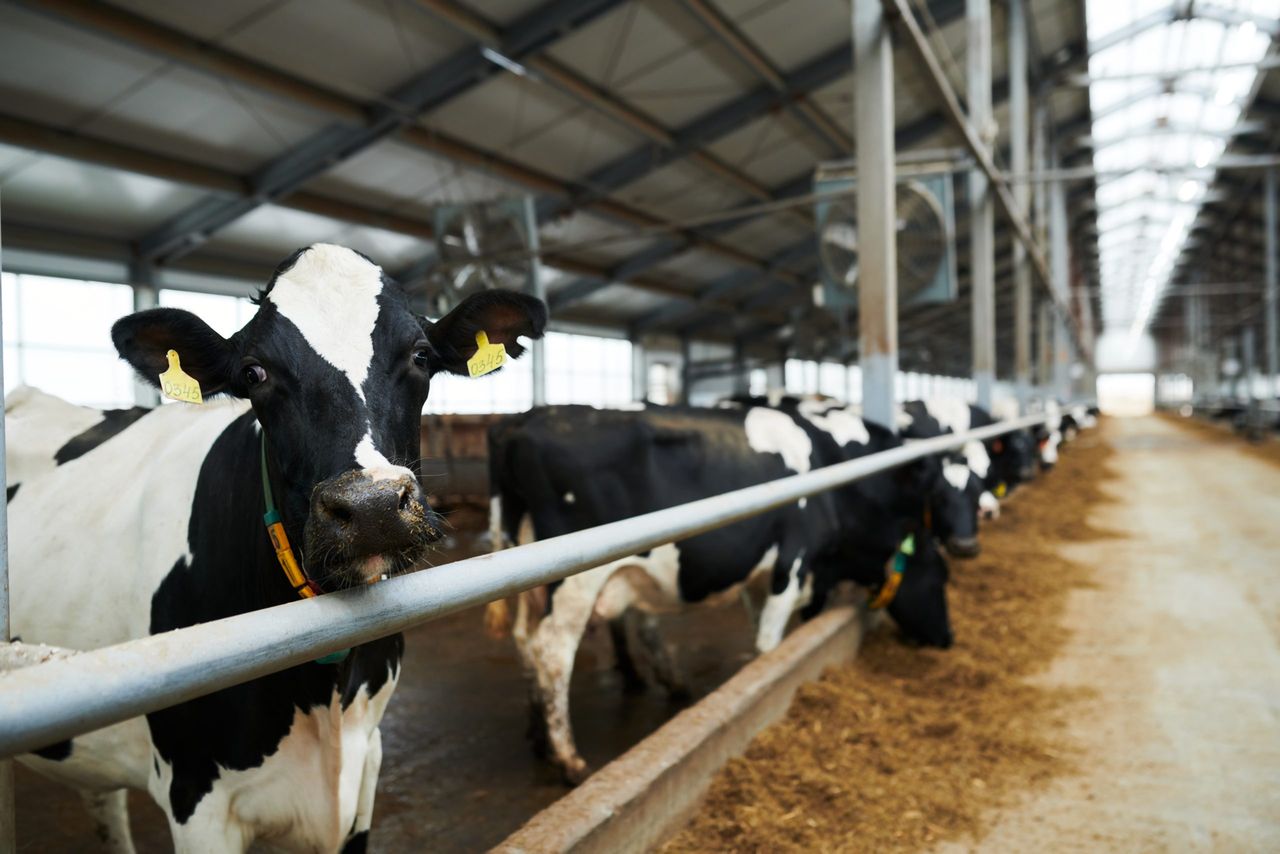
The Shamonda virus has been detected in cattle at two dairy farms in the UK, the Department for Environment, Food and Rural Affairs (Defra) today (Monday, November 2) confirmed.
Defra has detailed that one of the farms is located in Powys, Wales and the other one is in Shropshire, England.
The Shamonda virus, which is believed to be spread by Culicoides biting midges, has been identified in animals in several European countries this year.
It was detected in Ireland for the first time last month.
A private lab in the south of the country detected the virus in samples from cattle on farms in the region. The virus was identified in samples from three animals on two farms.
It is understood that the farms in question were dairy farms.
Shamonda virus
Defra had previously confirmed that the Shamonda virus had been detected in cattle in Jersey in August.
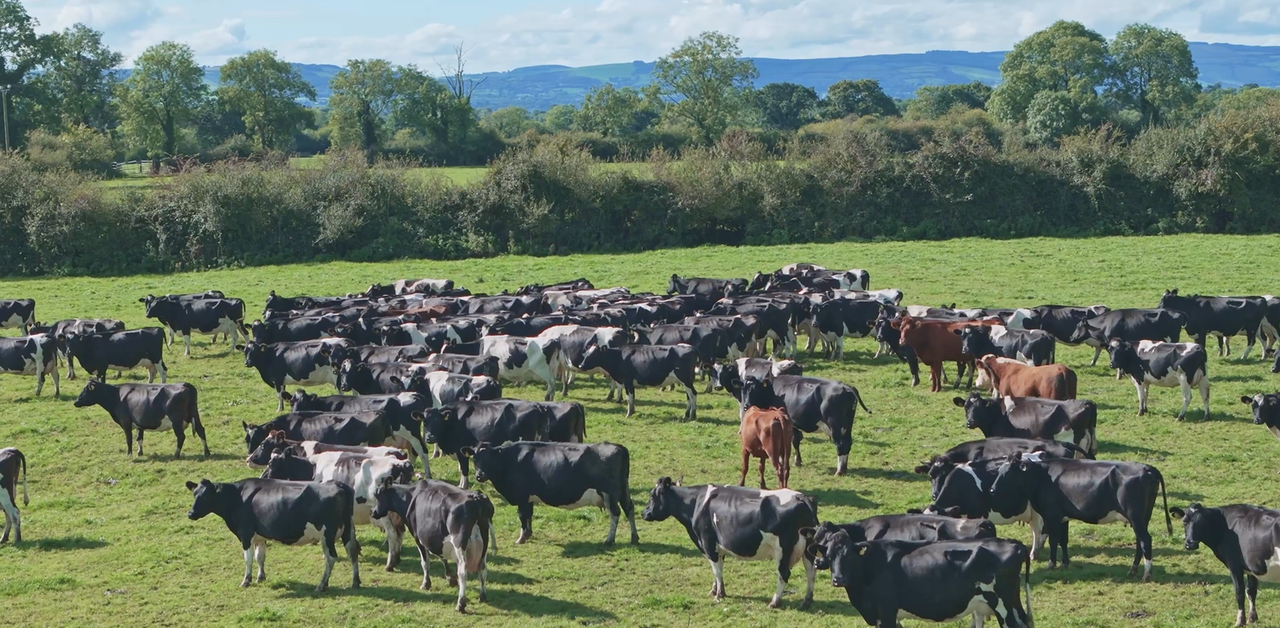
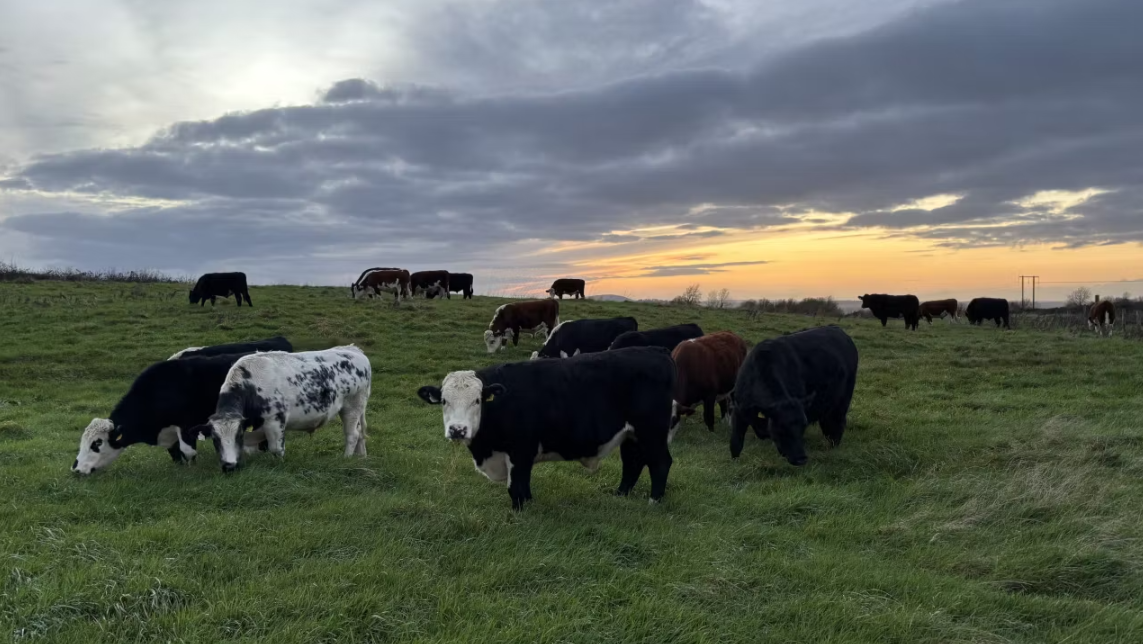
The virus mainly affects cattle, causing fever, diarrhoea, lethargy and reduced milk production.
Abortions have also been documented in infected cattle.
According to Defra the latest detections in the UK are "not unexpected".
The department said these detections demonstrates the UK's "surveillance and diagnostic systems are effective in being able to identify new and emerging diseases in our livestock".
It has highlighted that the Shamonda virus is not a notifiable or reportable disease and there is currently no evidence to suggest that additional disease-control measures are required.
But it said that together with the Welsh Government, the Scottish Government and the UK's Animal and Plant Health Agency (APHA), Defra "will continue to monitor the epidemiological situation and review the response as further evidence becomes available".
The department has urged livestock keepers to "continue to monitor their animals for clinical signs and contact their private veterinarian if they have concerns, and to treat animals based on clinical signs, as early as possible".